Quick answer
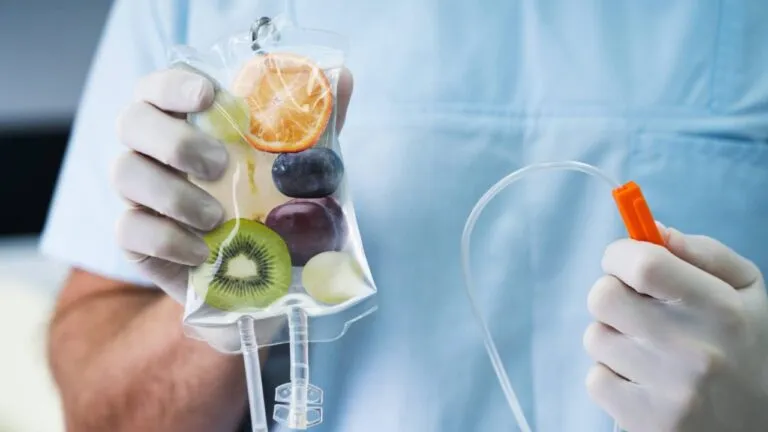
In short, IV nutrient therapy delivers a measured mix of fluids, vitamins, minerals, amino acids and antioxidants straight into a vein through a small cannula. Because it bypasses the gut, close to 100% of each nutrient reaches the bloodstream. It can help with hydration and with topping up nutrients, but it supports healthy habits rather than replacing them.
Most people have only seen an IV drip in a hospital, so a wellness drip can feel unfamiliar. This guide explains what IV nutrient therapy is, what actually goes into the bag, and how it differs from a hospital drip. It also sets out what you can realistically expect after a session at our Jayanagar centre in Bengaluru.
Key takeaways
- IV nutrient therapy puts fluids and nutrients directly into the bloodstream, so nearly the whole dose is available to the body.
- A typical infusion combines a sterile base fluid with vitamins, minerals, amino acids or antioxidants.
- Hospital drips treat illness; wellness drips aim to rehydrate and top up nutrients in people who are broadly well.
- Evidence is strongest for rehydration and for correcting low nutrient levels; research on general wellness benefits is limited.
- At ivital, every drip starts with a free clinician consultation, and the clinician sets the dose.
What is IV nutrient therapy?
An intravenous (IV) infusion sends liquid through a thin, soft plastic tube called a cannula. It is placed in a vein in your arm or the back of your hand. In IV nutrient therapy, that liquid is a sterile fluid with nutrients dissolved in it. The bag drips slowly, so your body receives the mix gradually rather than all at once.
The idea is not new. Doctors have given vitamins and minerals by vein for decades, especially to people who cannot eat or absorb food properly. The best-known wellness formula is the Myers’ Cocktail, developed by the American physician John Myers. Dr Alan Gaby later described a modified version containing magnesium, calcium, B vitamins and vitamin C. Modern clinics build on the same principle with different blends for different goals.
What goes into a nutrient infusion?
Most drips have two parts: a base fluid and the active nutrients. The base fluid carries the nutrients and hydrates you at the same time. The nutrients themselves fall into a few broad groups, summarised below with examples from our own menu.
| Group | Examples used at ivital | What they do in the body |
|---|---|---|
| Fluids | Sterile base fluid in every drip | Restores hydration, which affects energy, focus and how you feel generally |
| Vitamins | Vitamin C, Vitamin B12, Vitamin B Complex, Thiamine, Vitamin E | Vitamin C helps maintain skin, blood vessels and wound healing; B vitamins help turn food into energy and support nerves and red blood cells |
| Minerals | Magnesium, Calcium | Magnesium takes part in more than 300 reactions, including energy production, muscle function and a steady heartbeat; calcium supports nerves, muscles and bones |
| Amino acids and related nutrients | L-Carnitine, NAC (N-acetylcysteine), Peptides | L-Carnitine helps move fats into cells to be used for energy; NAC supplies cysteine, which the body uses to make glutathione |
| Antioxidants | Glutathione, ALA (alpha-lipoic acid), Vitamin C, Vitamin E | Help neutralise reactive molecules that form during normal metabolism |
The exact blend depends on the drip. The Myers’ Cocktail (₹3,800) contains Vitamin C, Magnesium, Calcium and Vitamin B12. The Athletic Drip (₹3,500) uses L-Carnitine, NAC and Calcium instead. Your clinician sets the dose of each ingredient after assessing you, and adjusts the plan if something in your history calls for caution.
How is IV nutrient therapy different from a hospital drip?
The cannula and the technique are the same. The difference is the purpose. In hospital, IV fluids prevent or treat dehydration and electrolyte imbalances. They also deliver medicines or nutrition when someone is unwell, injured or having surgery, as Cleveland Clinic explains.
IV nutrient therapy in a wellness clinic is elective. It is meant for people who are broadly healthy and want to rehydrate or top up specific nutrients. Because you are choosing it rather than needing it, a careful health check beforehand matters even more.
- Hospital drip: prescribed to treat an illness or injury, may include medicines, and can run for hours or days.
- Wellness drip: chosen with a clinician after a consultation, contains fluids and nutrients, and usually takes 30 to 45 minutes.
Why give nutrients by vein instead of by mouth?
When you swallow a tablet, the nutrient has to survive the stomach, cross the gut wall and pass through the liver. How much gets through varies with the nutrient, the dose and your own digestion. Vitamin C is a clear example. Absorption is efficient at small doses but falls as the oral dose rises.
An infusion skips those steps, so close to 100% of the dose reaches the bloodstream. This matters most for people who absorb poorly, such as those with coeliac disease, Crohn’s disease or past stomach surgery. For most healthy people, a varied diet still covers daily needs. For a deeper look at absorption, read our guide to IV vitamin therapy and bioavailability.
What results can you realistically expect from IV nutrient therapy?
Be wary of any clinic that promises dramatic results. Here is an honest picture of what the evidence and everyday experience suggest.
- Hydration: if you are mildly dehydrated after travel, illness, heat or a late night, fluids usually help you feel better fairly quickly.
- Nutrient levels: an infusion raises blood levels directly. Whether you notice a change depends on whether a shortfall was causing symptoms in the first place.
- Energy and wellbeing: many people say they feel refreshed, but controlled research is limited. In a small Yale pilot trial of the Myers’ Cocktail for fibromyalgia, both the drip group and the placebo group improved, with no statistically significant difference between them.
- Longer-term goals: skin, fitness and healthy ageing depend first on sleep, food, exercise and stress. A drip can support these habits but cannot replace them.
Your body also passes extra water-soluble vitamins, such as vitamin C and the B vitamins, out in urine. More is not always better. Cleveland Clinic’s experts make a similar point: IV vitamin therapy is not a substitute for prescribed medicines or a healthy diet.
Who should avoid it or check first?
IV nutrient therapy is not right for everyone. Tell your clinician before your session if any of the following apply to you.
- Pregnancy or breastfeeding: wellness drips are generally not advised unless your obstetrician agrees.
- Kidney disease: the kidneys clear extra minerals such as magnesium, and high-dose vitamin C can add to the risk of kidney stones.
- Heart failure, heart disease or high blood pressure: extra fluid can put strain on the heart.
- G6PD deficiency: high-dose vitamin C can trigger the breakdown of red blood cells, so your clinician may suggest a test first.
- Regular medicines or allergies: some nutrients interact with medicines, so bring a list and mention any past reactions.
Our article on who IV therapy suits and the questions to ask a clinic covers these cautions in more detail.
How do I book IV nutrient therapy in Bengaluru?
Every treatment at ivital starts with a free consultation with a clinician. We go through your health history, medicines and goals, carry out a basic health check, and recommend a drip only if it suits you. If it doesn’t, we will say so.
Sessions take about 30 to 45 minutes at our centre at 4/16, 9th Main Road, Jayanagar 3rd Block, Bengaluru 560011. We are open daily from 10 AM to 6 PM, and home visits are available after a doctor consultation. Drips range from ₹3,500 to ₹7,000 per session; you can compare them all on our therapy page.
To book, call +91 91640 37377, message us on WhatsApp at +91 98440 09011, or use our contact page.
Frequently asked questions
What is IV nutrient therapy?
IV nutrient therapy is a drip that delivers fluids, vitamins, minerals, amino acids or antioxidants straight into a vein through a small cannula. Because it bypasses the digestive system, close to 100% of each nutrient reaches the bloodstream. At ivital in Bengaluru, a clinician assesses you and sets the dose before any drip.
What is in an IV nutrient drip?
Most drips combine a sterile base fluid with active nutrients. These can include vitamins such as vitamin C and B12, minerals such as magnesium and calcium, amino acids such as L-carnitine and NAC, and antioxidants such as glutathione. The exact blend depends on the drip and on what the clinician decides is right for you.
How is a wellness IV drip different from a hospital drip?
The cannula and technique are the same, but the purpose differs. Hospital drips treat dehydration, illness or injury and may include medicines. Wellness drips are elective, contain fluids and nutrients, and are given to broadly healthy people after a consultation.
Will I feel better straight after an IV nutrient drip?
If you are mildly dehydrated, you will often feel better fairly soon after the fluids. Other effects depend on whether you were low in a nutrient to begin with. Research on general wellness benefits in healthy people is limited, so it is best to expect modest, supportive results.
How much does IV nutrient therapy cost in Bengaluru?
At ivital in Jayanagar, Bengaluru, drips cost between ₹3,500 and ₹7,000 per session depending on the formula. For example, the Myers’ Cocktail is ₹3,800 and the Athletic Drip is ₹3,500. The first consultation with a clinician is free.
References
- Gaby AR. Intravenous nutrient therapy: the “Myers’ cocktail”. Alternative Medicine Review, 2002 (PubMed)
- Ali A et al. Intravenous micronutrient therapy (Myers’ Cocktail) for fibromyalgia: a placebo-controlled pilot study. J Altern Complement Med, 2009 (PubMed)
- Cleveland Clinic: IV fluids (intravenous fluids), types and uses
- Cleveland Clinic Health Essentials: Intravenous vitamin infusion pros and cons
- MedlinePlus Medical Encyclopedia: Magnesium in diet
This article is general information, not medical advice. IV therapy isn’t right for everyone. Discuss your health history, risks and alternatives with a qualified clinician before treatment.